
Teams manually move information between systems or repair failed imports.
Loading Zenticsys
Loading Zenticsys
Connect, observe, support, and improve
API integrations, data synchronization, operational monitoring, platform support, and continuous product improvement.
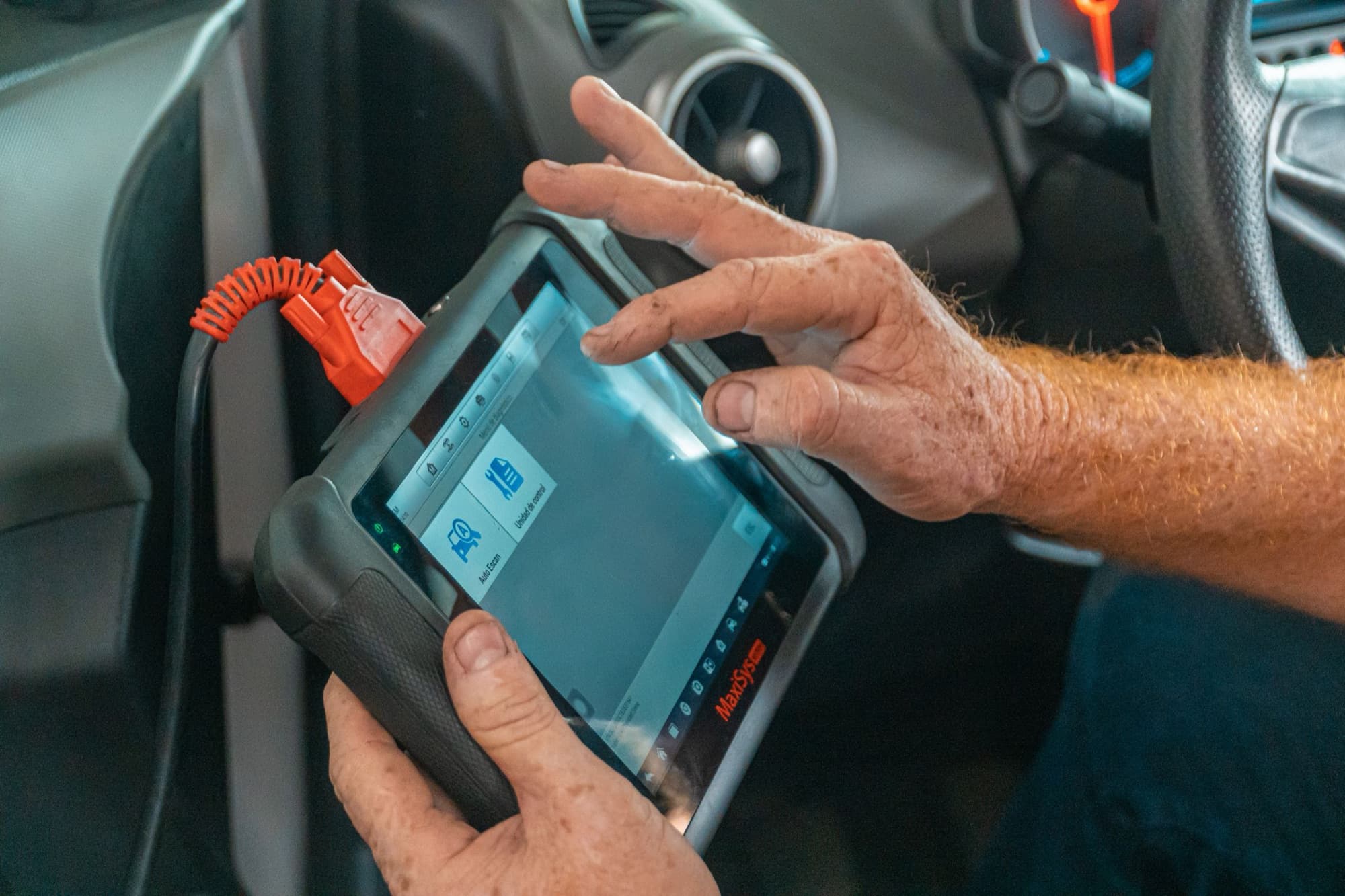
01 · Project fit
Automotive software frequently depends on third-party feeds and operational systems with different identifiers, timing, quality, and failure modes. Integration and maintenance must make those dependencies visible and recoverable.
Teams manually move information between systems or repair failed imports.
An integration exists but no one can see whether its data is complete or current.
The platform needs regular security, performance, dependency, and product attention after launch.
02 · Ways to work together
The format follows the problem. We can resolve one high-risk area, own a complete release, or stay with the product as it evolves.
A bounded discovery, design, integration, or engineering engagement with a clear decision or release at the end.
A cross-functional team responsible for the workflow, experience, implementation, quality, and production readiness.
Continuous delivery around an agreed roadmap, measurable priorities, operational support, and retained product context.
03 · What we deliver
Contracts, ownership, identifiers, frequency, volume, mapping, and failure handling.
Secure endpoints, scheduled jobs, webhooks, event processing, imports, and exports.
Validation, reconciliation, retries, alerts, dashboards, and support tooling.
Monitoring, updates, incident response, performance, security, and prioritized improvements.
04 · Collaboration
Strategy, design, engineering, and quality move around the same automotive workflow instead of becoming disconnected hand-offs.
We learn the commercial goal, users, vehicle data, systems, constraints, and operational reality behind the brief.
We define the release, information architecture, technical boundaries, and the journeys that must work first.
Design, frontend, backend, integrations, and quality assurance progress as one delivery stream.
We support rollout, monitoring, iteration, and a clear path for the product to keep evolving.
05 · Representative output
A representative delivery artifact—not a claimed client screenshot—showing how progress and readiness can stay visible.
06 · Technical foundation
07 · Handover and continuity
Documentation, ownership, release readiness, and an agreed support path are part of the outcome—not final-week administration.
Health, freshness, errors, and retries become observable to the people responsible.
Clear data contracts and automated recovery reduce repetitive operational work.
Maintenance combines technical care with a prioritized path for ongoing improvement.
09 · Before we begin
Usually, yes. We first inspect the code, contracts, credentials model, data mappings, logs, retry behavior, tests, and known operational issues before accepting support responsibility.
The agreement can cover monitoring, dependency and security updates, incident response, bug fixes, performance work, integration health, and a planned allowance for product improvements.
Start with the outcome
Tell us what needs to change, who the work affects, and what a successful first release must make possible.
Request a Proposal